 Timon
DhaezeTimon Dhaeze, home ENNL Free beta
TimonAs a historian and data geek I want to see the studies first. Here you read what is left of popular health claims, always with the sources attached.
Every article starts from one question people actually ask: how much protein per day, how often to train, does magnesium help you sleep. I put the original studies side by side, check who paid for them and write down what still holds. What you get are numbers you can use tomorrow.
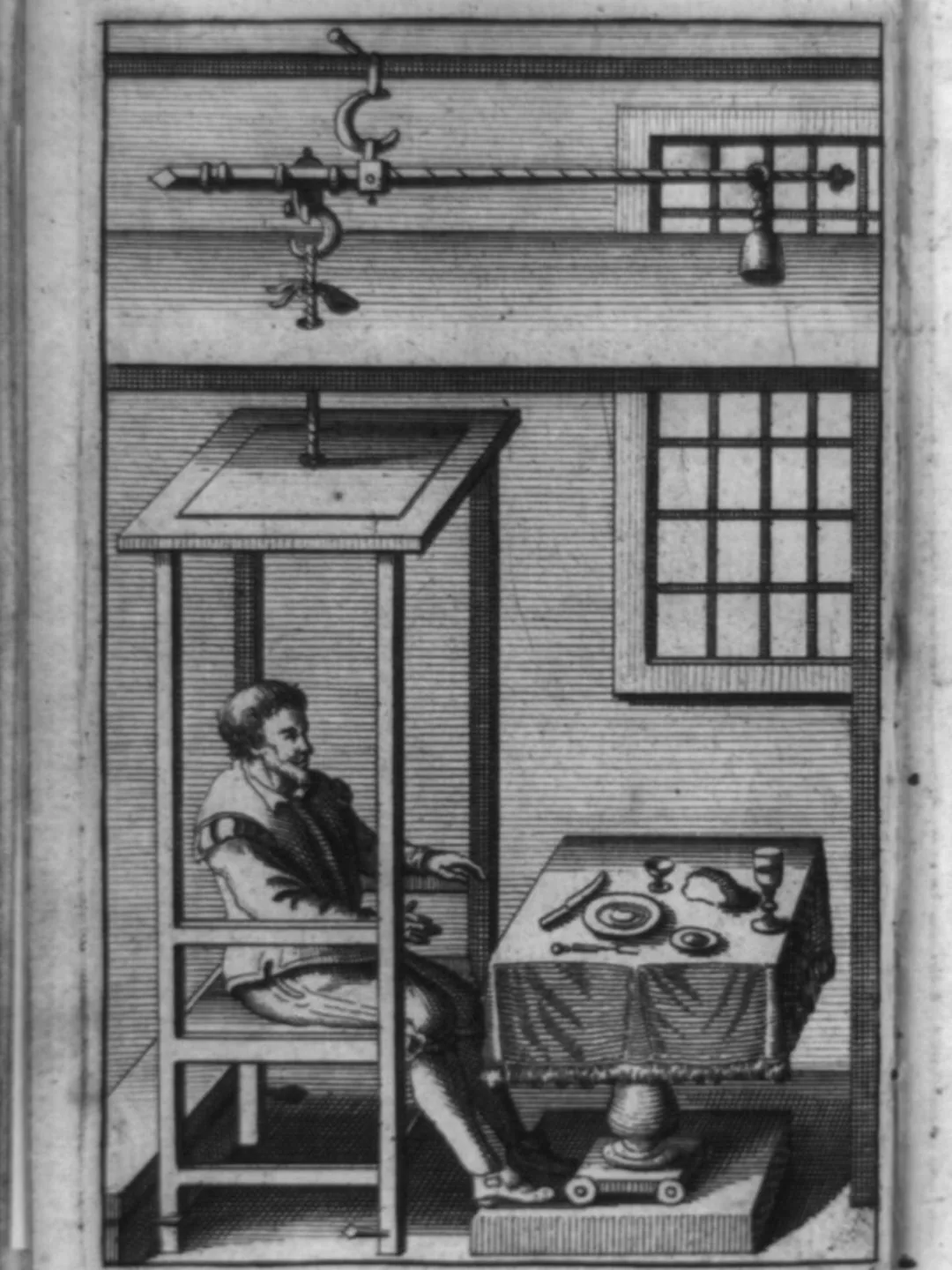
There is no proven ideal frequency. Weight loss programmes in which participants weighed themselves produced 3.4 kilos more loss than minimal support. Trials that asked for daily weighing did no significantly better than trials that asked for less frequent weighing. For keeping weight off after losing it, the evidence points to near-daily weighing, under the same conditions and going by the average.
Read the article
What was built in the app, week by week.
Read the article
Reps in reserve, double progression, trend weight, basal metabolic rate. These are the words behind your plan in Coach Timon. Here's what each one means, why it matters and what the app does with it, in plain language.
Read the article
I'm a health coach in Ghent and I built an app. Coach Timon runs on the same rules I use with my one-on-one clients and adjusts your training and nutrition to your own data every week. This is why I built it, who it's for and what it costs.
Read the article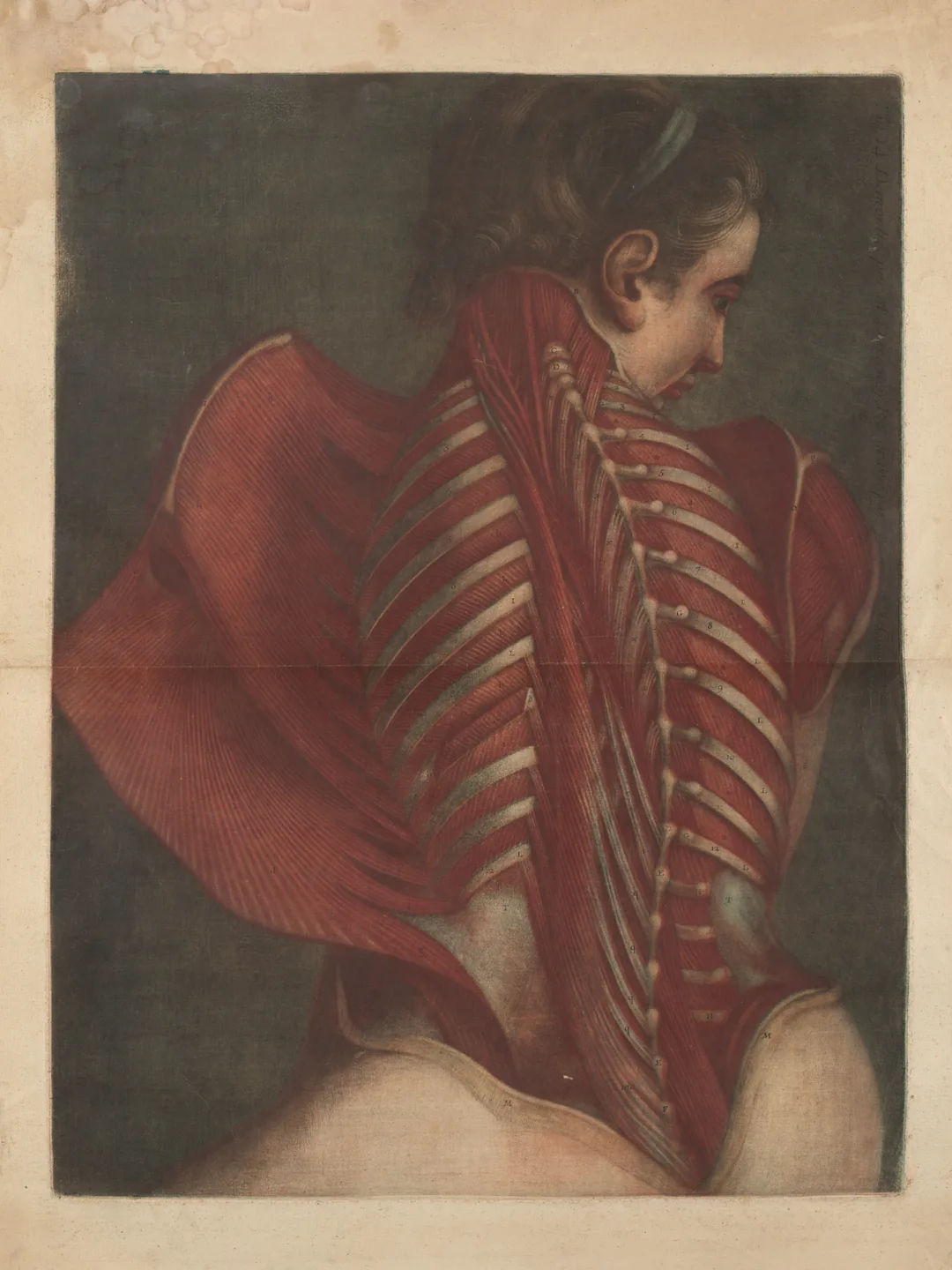
During the first three to four weeks, much of what you measure may be swelling. According to a researchers' model, real muscle growth starts after about eighteen sessions. After a few months, controlled studies land on average at a little under a kilo of extra lean mass, with huge differences between people.
Read the article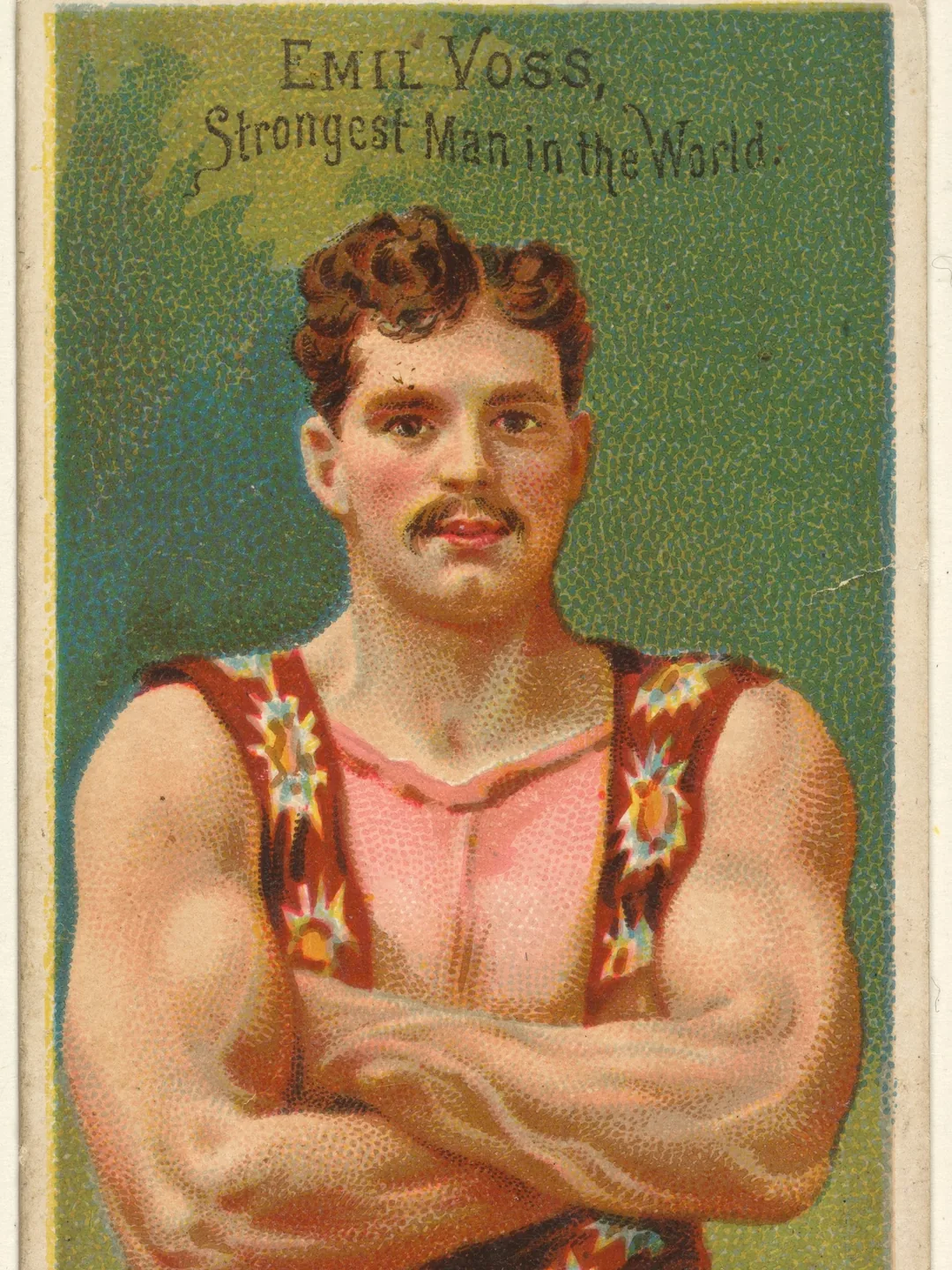
In the largest analysis, 178 studies with 5097 participants, heavy programmes with several sets, at 80 per cent of your maximum or more, scored best for strength. Lighter training makes you stronger too. Train the movement you want to get stronger at and gradually add load or reps. Training to failure proved unnecessary for strength.
Read the article
Twice a week is enough for most people. With the same number of sets, spreading them over one, two or three sessions makes little difference to muscle mass. For strength, the most recent research points to a possible advantage for training more often. The practical minimum is four sets per muscle group per week. For more muscle mass, the newest position stand recommends ten sets or more.
Read the article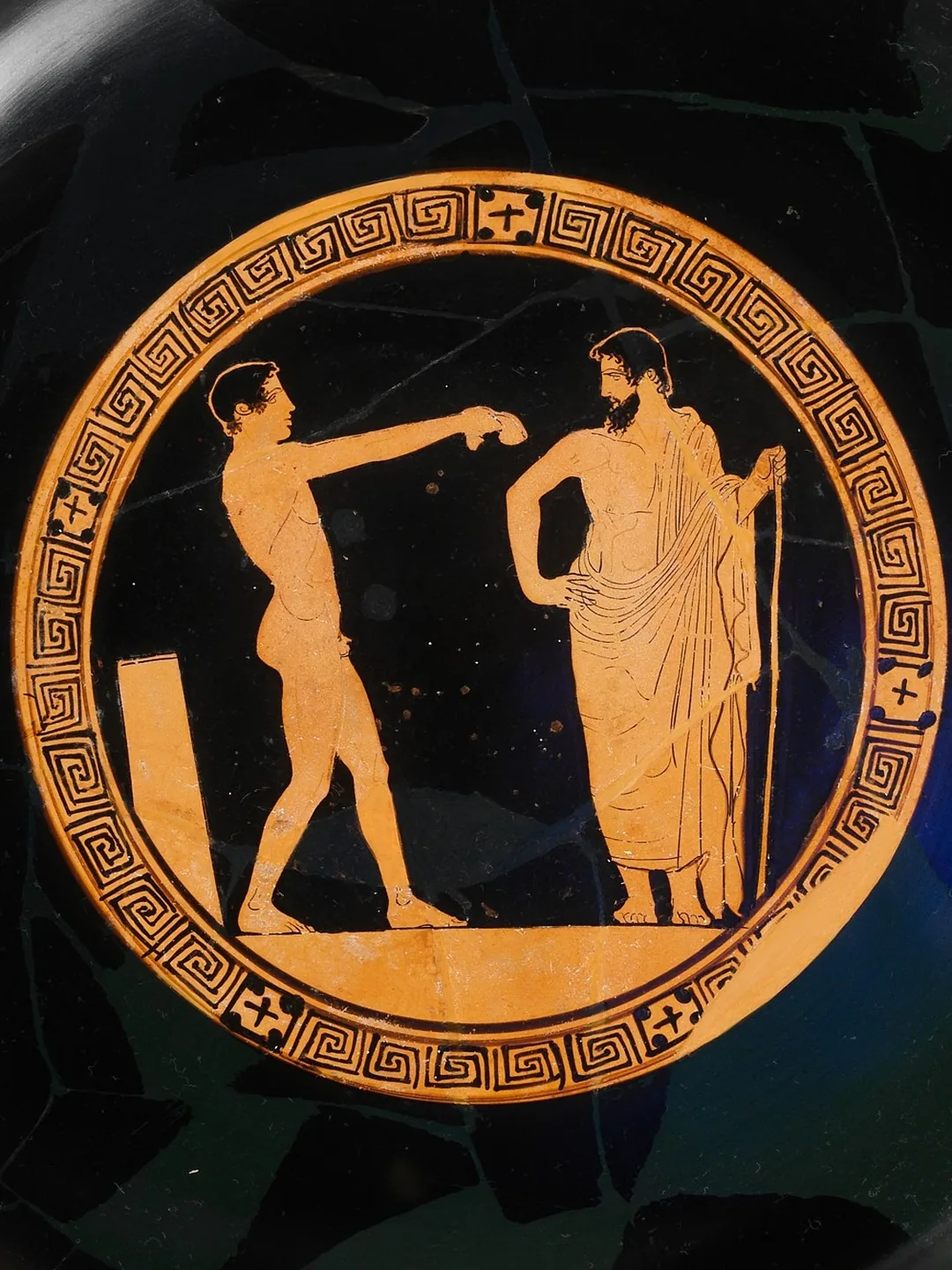
A personal trainer usually guides one side of your health: training. A personal coach covers all four building blocks: training, nutrition, lifestyle and sleep. That matters because most of the result happens outside the gym, in the structure of your week.
Read the article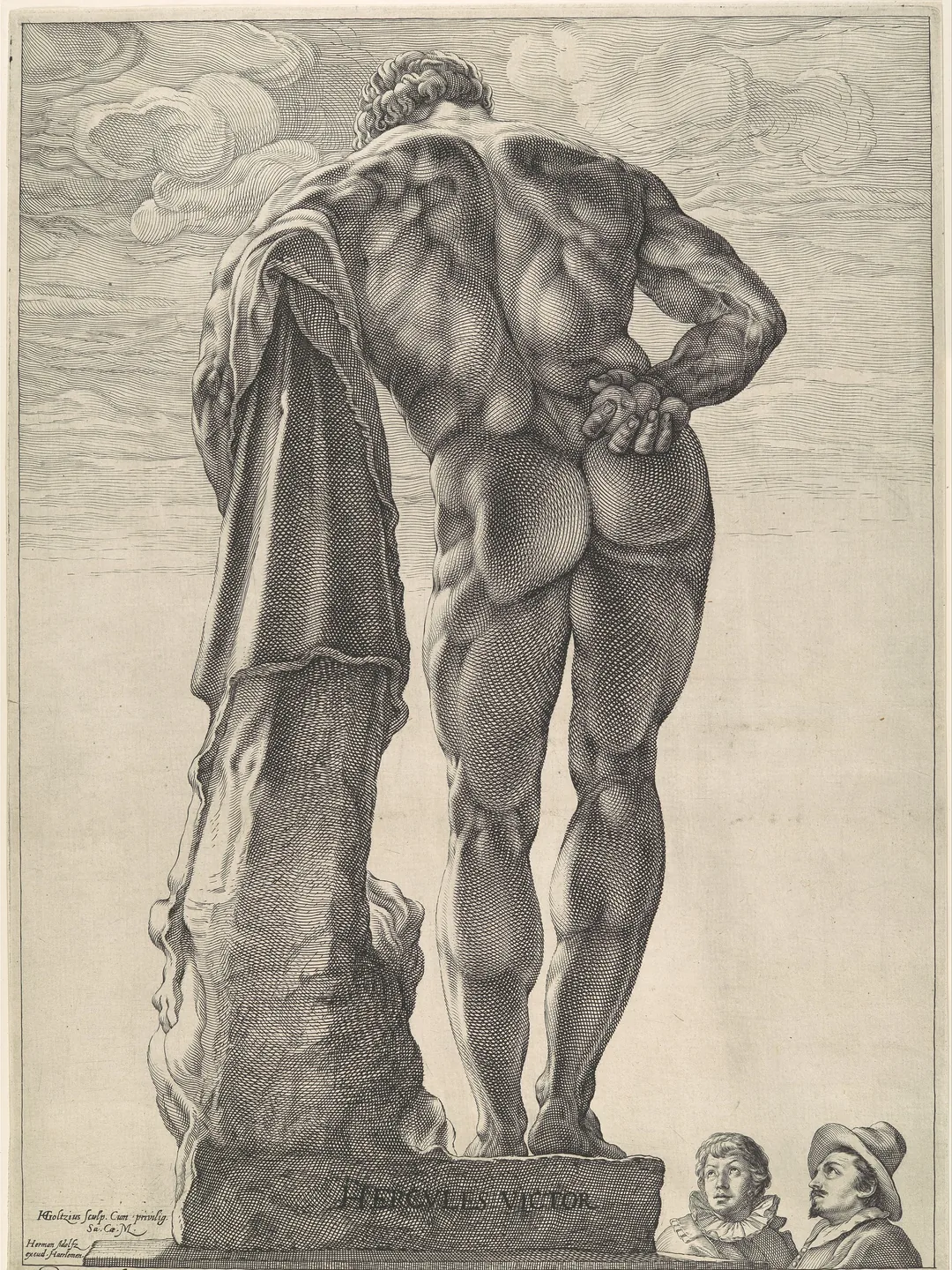
A healthy adult needs 0.83 grams of protein per kilo of body weight per day according to the European reference value. With strength training the gain continues to roughly 1.3 to 1.6 grams per kilo, above which the curve flattens. And the figure of 2.3 to 3.1 grams that circulates everywhere refers to lean mass, not body weight.
Read the article
Chamomile tea works well as a calming evening ritual. As a sleep aid the evidence is thin: in the only trial in 34 people with chronic insomnia, chamomile extract did no better than placebo. The positive studies used extract in capsules. Allergic to the daisy family or on blood thinners? Check first.
Read the article
A pinch of salt before bed does not help against night-time urination. In 223 people who ate less salt, night-time urination fell from 2.3 to 1.4 times a night. What also helps: looking at what you drink across the day and not staying in bed longer than you need. Regularly up twice or more? Get it checked.
Read the article
Pick an organic form such as bisglycinate or citrate, stay under 250 mg a day from supplements and take it at the same time every day. In a double-blind trial, magnesium oxide was absorbed no better than a placebo. And the effect on sleep is small. That it works mainly in people who get too little is plausible. It has not been proven.
Read the articleYou log, the app reads your trend and moves your targets every week. Training, nutrition, lifestyle and sleep in one plan. On the waiting list you hear first when it opens.
One short email a week, grounded in research, for driven people. Unsubscribe anytime.