 Timon
DhaezeTimon Dhaeze, home ENNL 1:1 coaching
TimonAdding cardio to strength training costs neither muscle mass nor maximal strength on average: in a meta-analysis of 43 studies with 1090 participants, the difference from strength training alone was practically zero. The measurable brake is on explosive strength, mainly when both happen in one session. If you have trained for a while, you are better off leaving a few hours between them.

Adding cardio to your strength training costs you neither muscle mass nor maximal strength on average. In a meta-analysis from Cologne covering 43 studies and 1090 participants, the difference from strength training alone was practically zero: for muscle growth in 15 studies, for maximal strength in 37.
The measurable brake is on explosive strength: jumping and producing force quickly. If you have trained in a structured way for a while, you also gain slightly less leg strength when cardio and strength share a session. With a few hours in between, the difference was no longer significant.
That is the short answer. Below you will find where the fear of cardio comes from, what the studies measure and how to fit it into a week that is already full.
The idea that cardio eats your muscle gains goes back to a single study from 1980. One group trained for ten weeks, five times a week for strength and six times a week for endurance: eleven workouts a week in total. Until week seven their strength rose as fast as in the group that only lifted. Then the curve flattened and in weeks nine and ten it dropped. Much of what gets said about cardio in the gym still rests on a schedule that almost nobody with a full diary keeps up.
A meta-analysis from the German Sport University in Cologne pooled 43 studies with 1090 participants. Each study compared a group doing strength and cardio with a group following exactly the same strength programme without cardio, for at least four weeks. For maximal strength, measured in 37 studies, the difference was −0.06 in standardised units, with a confidence interval of −0.20 to 0.09. For muscle growth, measured in 15 studies, it was −0.01. By the usual rule of thumb an effect below 0.2 is negligible. Both intervals also cross zero.
Cycling or running, under or over forty, untrained or already active, more or fewer than five sessions a week: none of those factors changed the outcome significantly. One caveat belongs here. The underlying studies scored an average of 4.3 out of 10 for methodological quality. That is middling and typical of training research, where participants inevitably know what they are doing.
As a historian I also look at who paid the bill. Here it is strikingly dull. Three analyses in this article received no funding at all. Two others were paid for by their own institution, a sixth by an American education fund. For those six, whose full text I read, I found no money from the food or supplement industry.
Source: Hickson11 1980, European Journal of Applied Physiology and Occupational PhysiologySchumann et al.1 2022, Sports Medicine
Cardio versus weights is rarely the deciding choice. Want to know whether training, nutrition, sleep or movement pays off most for you? The free health check shows you in about three minutes where your biggest win lies. Take the free health check
One outcome showed a clear difference. Explosive strength, measured with jumps and with the speed at which you build force, improved less: −0.28 in 18 studies, with an interval of −0.48 to −0.08. A small effect that holds up statistically.
Within the same session, with at most twenty minutes between cardio and strength, that brake was significant. With at least three hours in between it no longer was. The difference between those two groups was itself not significant, so read it as an indication. The authors suspect that fatigue mainly affects the rapid activation of your muscles. That is an explanation still waiting for proof.
At the level of the muscle fibre, an analysis of 15 studies with muscle biopsies found a possible small disadvantage: −0.23, right on the edge of significance (p = 0.050). In the three studies with running the effect on the slow type I fibres looked larger than with cycling. The authors themselves call that preliminary. Measurements of the whole muscle showed no difference, although according to the same authors they may miss early changes in the fibres.
If you do not train for sprinting or jumping, this is the nuance that matters: your muscle mass and your maximal strength hold up in these studies. Your explosiveness pays a small price if you cram everything into one block.
Source: Schumann et al.1 2022, Sports MedicineLundberg et al.4 2022, Sports Medicine
A Swedish meta-analysis of 27 randomised and non-randomised studies with 750 participants split the results by training experience. The outcome was the 1RM on the squat or leg press: the heaviest weight you can move once.
In untrained people there was no difference (0.03). In moderately trained people there was a small brake that was not significant (−0.20). In trained people it was −0.35: that difference was significant. Within that trained group the effect sat in the studies where strength and cardio shared a session: −0.66. With more than two hours in between, −0.10 remained, without significance.
That −0.66 is the figure most easily overread, so here is the context. The authors write themselves that it rests largely on two interventions from a single study. The Cologne analysis notes that studies with several intervention groups and one control group were counted more than once, which can make the result look stronger. Read it as a signal that still needs confirming.
Two other analyses found no difference between trained and untrained people: the Cologne one and a Dutch analysis of 59 studies with 1346 participants. The signal in trained people therefore comes from a single analysis. The cardio in these studies also averaged two to three sessions of about half an hour a week. If you run or cycle far more than that, you are outside what was measured here.
That same Dutch analysis looked at leg strength in 20 studies. It found a small brake in the studies in men (−0.43) and none in those in women. The authors warn that there were fewer studies in women. That second figure therefore rests on thinner ground.
Source: Petré et al.2 2021, Sports MedicineHuiberts et al.3 2024, Sports Medicine
If it has to fit into one session, order is the question everyone asks. Two meta-analyses give the same answer for leg strength.
The first, 10 studies, found 6.91 percentage points more gain in dynamic leg strength when strength came before cardio, with an interval of 1.96 to 11.87. The second arrived at 3.96 kilos extra on the leg 1RM, with an interval of 0.81 to 7.10 kilos. They probably draw partly on the same studies, so do not add them up.
For muscle growth and body fat percentage, order made no difference in the first analysis. For your fitness, measured as VO2max, neither analysis found a difference.
The practical rule follows. If strength is the priority, start with the barbell and finish on the bike or treadmill. If fitness is the main goal, the reverse works too. Your muscle mass does not demonstrably suffer. Your leg strength simply grows a little slower.
Source: Eddens et al.6 2018, Sports MedicineMurlasits et al.7 2018, Journal of Sports Sciences
The most direct test comes from France. Fifty-eight amateur rugby players trained for seven weeks, twice a week for strength and twice a week for cardio, with 0, 6 or 24 hours in between. Strength always came first.
Those who did everything in one go gained the least maximal strength on the bench press and half squat. With six hours or a full day in between, the strength gain was larger. Fitness improved most with 24 hours of rest.
Two caveats. The participants were male rugby players. The researchers also used a statistical method that is contested among their peers. The direction is usable; the exact size remains uncertain.
The Swedish analysis points the same way: in trained people the brake was no longer significant with more than two hours in between. It includes this rugby study itself, so it is not an independent confirmation. If there is no other option, the Swedish authors write that you still get adequately stronger in one session.
Source: Robineau et al.8 2016, Journal of Strength and Conditioning ResearchPetré et al.2 2021, Sports Medicine
Here the analyses contradict each other. Worth knowing.
The first meta-analysis, from 2012, pooled 21 studies. Across all studies it found a significant difference between strength alone and the combination only for power. Separately, combining with running significantly slowed muscle growth and strength. That analysis compared each group only with its own starting value. It also found that longer and more frequent cardio went together with smaller gains. The Cologne analysis did not find that link again.
An analysis of interval training alongside strength training found a trend the other way: against cycling (−0.38, p = 0.074). For running the difference was smaller and not significant. Muscle growth and upper body strength kept pace with strength training alone there. Leg strength progressed slightly less: −0.25, just significant (p = 0.049).
The Cologne analysis found no difference between cycling and running. In these numbers the timing of your cardio matters more than its type. Pick what you can sustain and what your joints tolerate.
Source: Wilson et al.5 2012, Journal of Strength and Conditioning ResearchSabag et al.9 2018, Journal of Sports SciencesSchumann et al.1 2022, Sports Medicine
Many people add cardio to lose fat. A meta-analysis of 36 randomised trials with 1564 participants set three options side by side: strength alone, cardio alone and the combination. Of those trials, 31 went into the calculation.
In studies of at least ten weeks, the combination group lost 1.09 kilos more fat mass than the strength-only group. Cardio alone also lost more fat than strength alone, but kept 0.88 kilos less lean mass. In body fat percentage the researchers found no difference between the three.
Two details have practical weight. Doing strength and cardio on the same day or on separate days made no difference to body weight or body fat percentage. For fat mass there were too few studies to say. When total workload was matched, the differences between the three disappeared. Part of the gain simply comes from moving more.
In that sense cardio is a lever on top of a plan that is already in place. In my coaching I therefore schedule it at the moments when it supports your week.
Source: Lafontant et al.10 2025, Journal of the International Society of Sports Nutrition
The World Health Organization advises adults to do 150 to 300 minutes of moderate-intensity activity a week. Vigorous intensity also works: then 75 to 150 minutes is enough. On top of that comes regular muscle-strengthening training. The combination is the norm. The only question is how to arrange it in a week that is already full.
In practice it comes down to three choices. If strength and cardio share a session, start with strength. If you have room, leave a few hours between them: lifting before work and a bike ride after dinner. Cardio on the days without weights works too. The longer you have trained and the more strength matters in your goals, the more that separation can pay off.
How many strength sessions you need is covered in how often to strength train per week. How to build your strength step by step is on getting stronger.
Source: Bull et al.12 2020, British Journal of Sports Medicine
| Question | What was measured | How solid |
|---|---|---|
| Muscle growth with cardio added | no difference (−0.01), 15 studies | moderate to strong |
| Maximal strength with cardio added | no difference (−0.06), 37 studies | strong |
| Explosive strength | small brake (−0.28), 18 studies | moderate |
| Leg strength in trained people, same session | moderate brake (−0.66) | weak, rests on few studies |
| Leg strength in trained people, more than 2 hours apart | no significant difference (−0.10) | weak, same subgroup |
| Strength first, then cardio | 6.91 percentage points more leg strength, 3.96 kg extra on the 1RM | moderate |
| Fat loss over at least 10 weeks | 1.09 kg more fat mass lost than strength alone | moderate |
On average, no. In 15 studies with muscle measurements, muscles grew just as well with cardio added as with strength training alone: the difference was −0.01 in standardised units. At the level of the muscle fibre a small disadvantage is possible. That signal is still preliminary.
If your leg strength matters, start with strength. Two meta-analyses found 6.91 percentage points more gain in leg strength that way and 3.96 kilos extra on the leg 1RM. For your fitness the order made no difference.
In trained athletes the brake on leg strength was no longer significant with more than two hours in between. For explosive strength the same held from three hours onwards. If you do not have that time, the Swedish researchers note that you still get adequately stronger in a single session.
The research is divided. An older analysis saw a disadvantage with running. An analysis of interval training saw a trend against cycling. An analysis of 43 studies found no difference. Pick what you can sustain.
In studies of at least ten weeks, the combination lost 1.09 kilos more fat mass than strength training alone. When total workload was matched, that difference disappeared. Part of the difference therefore comes from the extra movement.
Muscle growth and upper body strength kept pace with strength training alone. Leg strength progressed slightly less: a small effect of −0.25 that was just significant.
Timon offers High Performance 1:1 Health Coaching, wherever you live. App subscribers and coaching clients can also train with him in person in Ghent, Belgium.
Leave a comment below. Say what you think, or tell me which claim to look into. Your comment appears right away and everyone can read it.
What I researched that week, summed up in three sentences, sources included. Unsubscribe any time.
Every number in this article was checked against the original publication.
This article is information, not medical advice. If you have symptoms, are pregnant or take medication, talk to your doctor before changing anything.
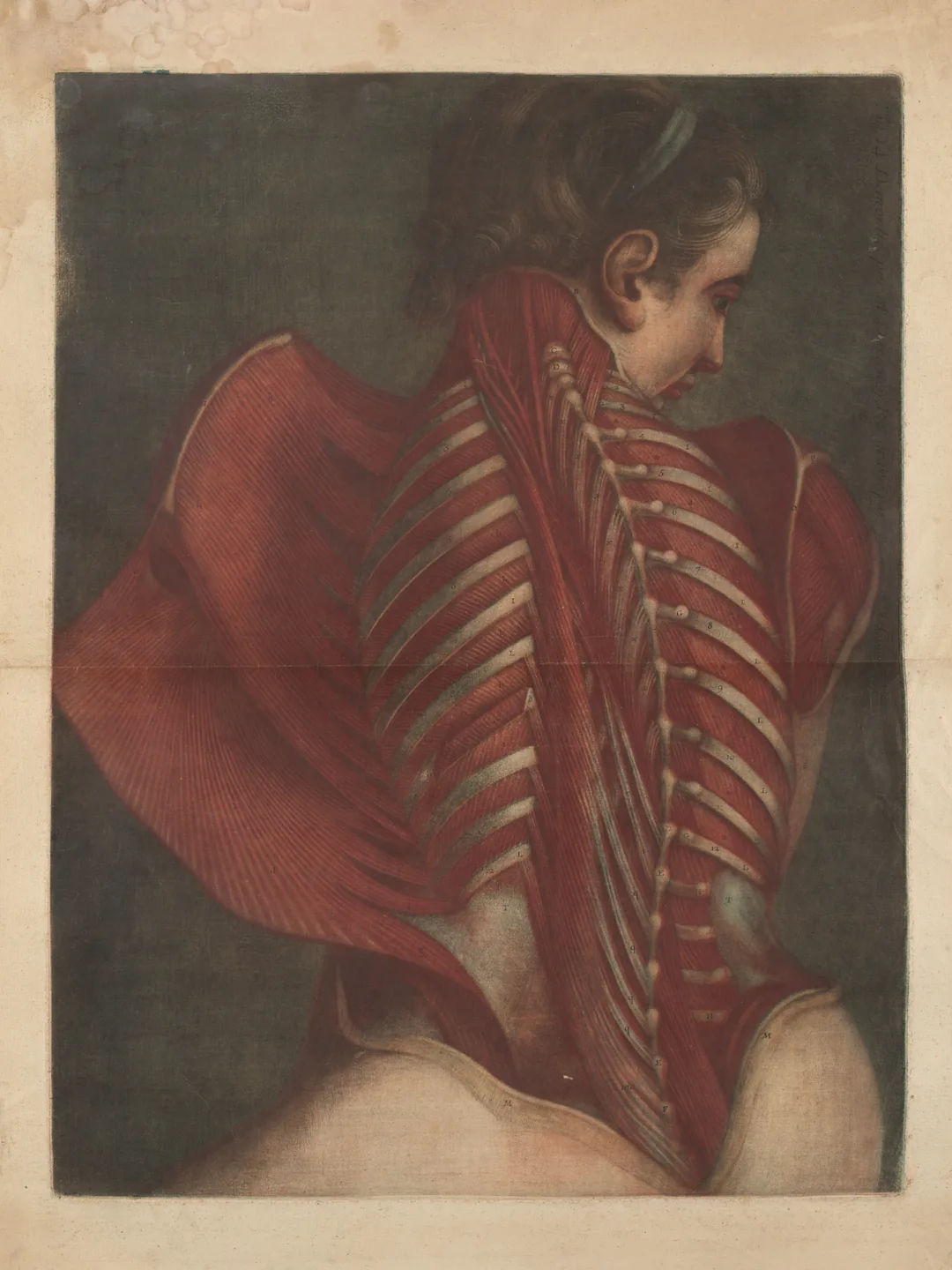
During the first three to four weeks, much of what you measure may be swelling. According to a researchers’ model, real muscle growth starts after about eighteen sessions. After a few months, controlled studies land on average at a little under a kilo of extra lean mass, with huge differences between people.
Read the article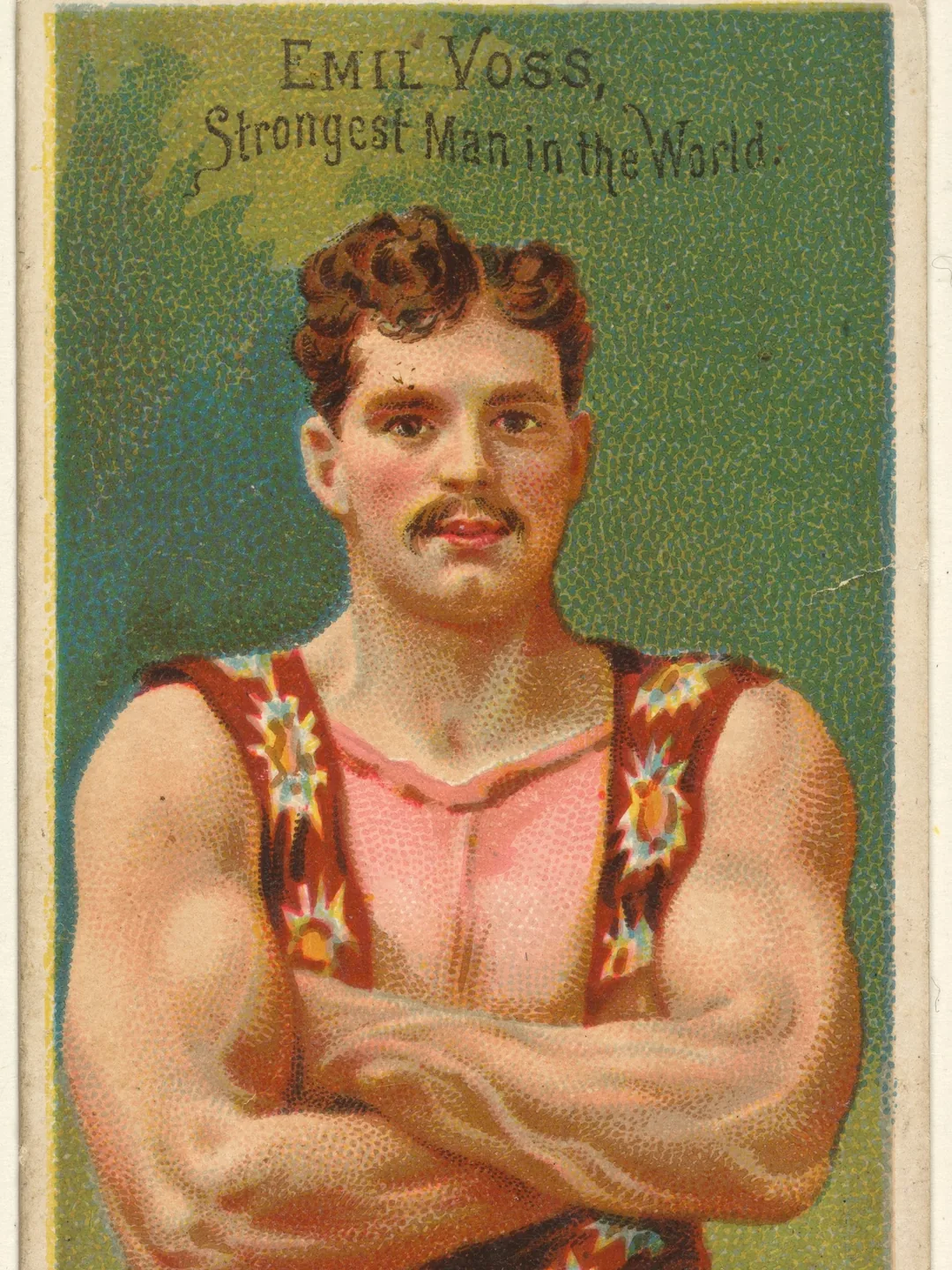
In the largest analysis, 178 studies with 5097 participants, heavy programmes with several sets, at 80 per cent of your maximum or more, scored best for strength. Lighter training makes you stronger too. Train the movement you want to get stronger at and gradually add load or reps. Training to failure proved unnecessary for strength.
Read the articleFill in the free health check and get a personalized analysis of how to improve your health, with small practical tips.
One short email a week, grounded in research, for driven people. Unsubscribe anytime.