Magnesium is recommended everywhere for better sleep. If you are deficient it works, otherwise the effect is small. And the glycine in a bisglycinate tablet is a fifth of the dose that worked in research.
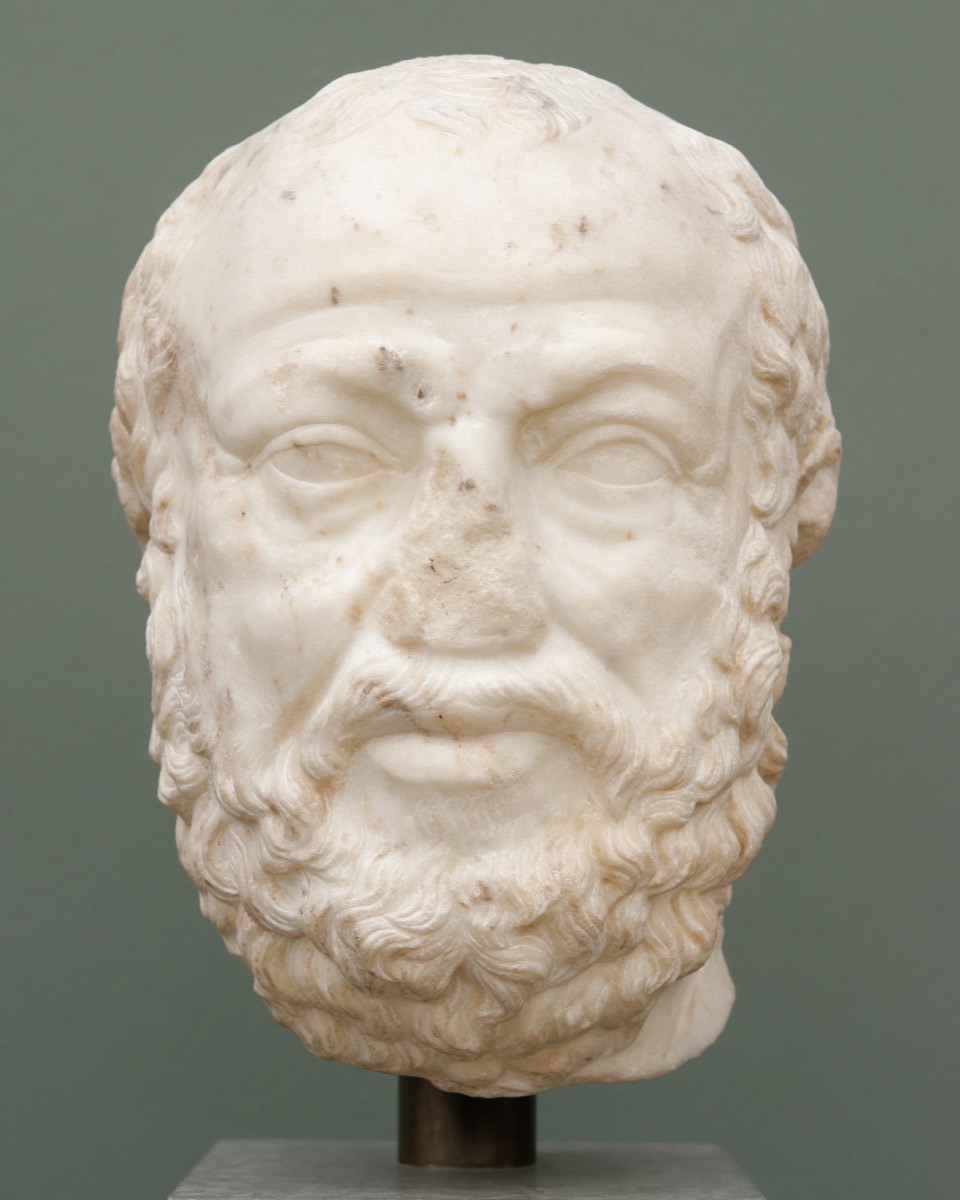
Does magnesium help against insomnia? If you are deficient, yes: about seventeen minutes faster to fall asleep. If you already get enough, the effect is small. And magnesium bisglycinate delivers far less glycine than most people think: one tablet with 100 mg of magnesium holds roughly 0.6 grams of glycine, a fifth of the dose that worked in research.
Recently I saw another coach's post: chamomile tea, sea salt and magnesium as a natural sleeping pill. It sounded logical, so I passed it on in my own story. A fine example of what Socrates called conceit of knowledge: believing you know something because it sounds plausible.
Every day some self-declared health guru announces a new miracle cure. As a historian and data geek I want to see the studies first, even when it concerns my own story. Socrates called it the first wisdom: knowing what you do not know. So I read the research behind those three remedies.
Two hold up, each with a caveat. One I take back.
How much magnesium do you need for sleep?
In 46 older adults with insomnia, 500 mg of magnesium a day shortened the time to fall asleep after eight weeks. The stress hormone cortisol dropped and melatonin rose. Total sleep time did not change. In another study with 100 participants, sleep improved just as much in the magnesium group as in the placebo group.
The strongest summary, a systematic review from 2021, found only three usable trials with 151 participants in total. On average people fell asleep 17 minutes faster. The researchers themselves rate the evidence as low to very low. A recent trial with 155 participants and 250 mg of magnesium as bisglycinate saw a small but measurable effect on insomnia after four weeks, strongest in those whose intake was low to begin with.
That is the core of it: magnesium works mainly when you are short of it. If you already get enough through green vegetables, nuts and whole grains, you will feel little difference. Also stay below 250 mg a day from supplements, the safe upper limit in Europe.
Source: Abbasi et al.1 2012, Journal of Research in Medical Sciences; Nielsen et al.2 2010, Magnesium Research; Mah & Pitre3 2021, BMC Complementary Medicine and Therapies; Schuster et al.4 2025, Nature and Science of Sleep
How much glycine is really in magnesium bisglycinate?
My story featured magnesium bisglycinate, because the glycine in it would deepen your sleep. Glycine does work. In 11 people, 3 grams before bed shortened the time to fall asleep and the road to deep sleep, measured in a sleep lab. Two other small studies saw less fatigue the next morning.
The problem is the dose. One bisglycinate tablet with 100 mg of magnesium contains about 0.6 grams of glycine, a fifth of what worked in the studies. For 3 grams you would need five tablets, adding up to 500 mg of magnesium: double the safe upper limit. On top of that, all three glycine studies were run with authors from Ajinomoto, the world's largest glycine producer, and in Bannai the participants were even the company's own employees. About 33 participants in total, with no independent replication by another group.
My story overstated this one.
Source: Yamadera et al.7 2007, Sleep and Biological Rhythms; Inagawa et al.6 2006 and Bannai et al.8 2012; own calculation, confirmed by Schuster et al.4 2025
Chamomile contains apigenin, a compound that in mice binds to the same receptor as calming medication. In people with chronic insomnia the extract did no better than placebo, and a cup of tea is not a concentrated extract. The full story is in chamomile tea and sleep.
My story claimed a pinch of salt prevents night-time urination. The research points the other way: among those who cut back on salt, night-time urination fell from 2.3 to 1.4 times a night. I take that claim back, and explain it in salt and night-time urination.
Supplements are the last five percent. The first 95 percent sits in your structure.
Go to bed around the same time every day. Keep your phone out of the bedroom. No more caffeine in the six hours before sleep. First thing in the morning, step outside into daylight for a moment.
You need neither a tracker nor fancy supplements. Stick to the basics. And that cup of chamomile? Go ahead and drink it. As a ritual.
Source: Windred et al.11 2024, Sleep; Drake et al.12 2013, Journal of Clinical Sleep Medicine
| Substance | Dose studied | What a common supplement or cup delivers | What it means |
|---|---|---|---|
| Magnesium | 300 to 500 mg a day | Common supplements: 100 to 400 mg | Mainly helps when you are deficient; stay under 250 mg a day from supplements |
| Glycine | 3 grams before bed | One bisglycinate tablet with 100 mg magnesium: about 0.6 grams | For 3 grams you need five tablets, so 500 mg magnesium: double the upper limit |
If you are deficient, yes: in 46 older adults, 500 mg a day shortened sleep onset after eight weeks. If your diet already covers it, the effect is small.
One tablet with 100 mg magnesium holds about 0.6 grams of glycine. The dose that worked in research was 3 grams, roughly five times as much.
Timon coaches online across Belgium and the Netherlands and also trains clients in person in Maldegem and Ghent.
Leave a comment below. Say what you think, or tell me which claim to look into. Your comment appears right away and everyone can read it.
What I researched that week, summed up in three sentences, sources included. Unsubscribe any time.
Every number in this article was checked against the original publication.
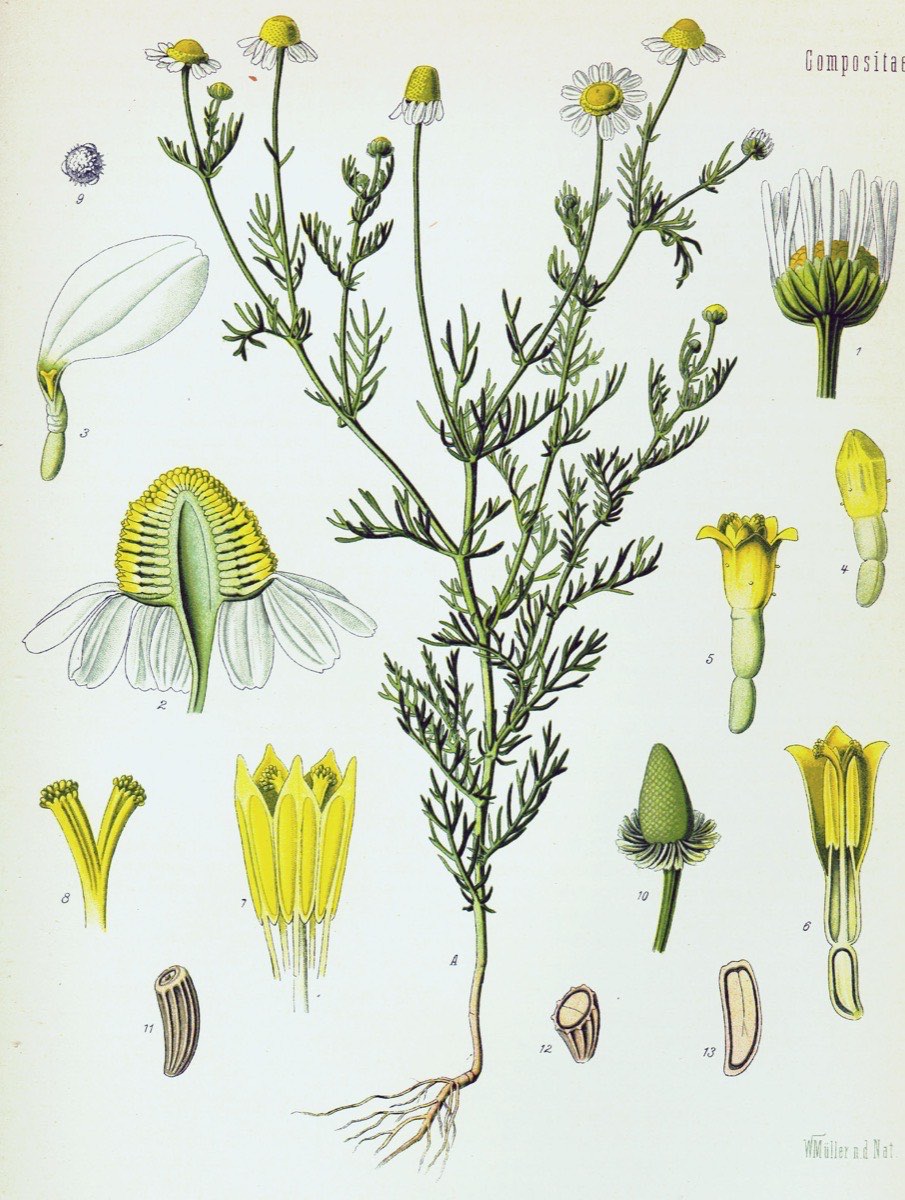
Chamomile contains apigenin, a compound that binds in mice to the same receptor as calming medication. In humans the evidence is far thinner.
Read the article
A pinch of salt before bed is often recommended against waking up to pee. The research points the other way: less salt meant fewer trips to the toilet at night.
Read the articleTwenty questions, three minutes and your report appears right away: your Health Score, your Biggest Leak and your First Building Point. Backed by 120+ scientific studies.
 TIMON DHAEZE